
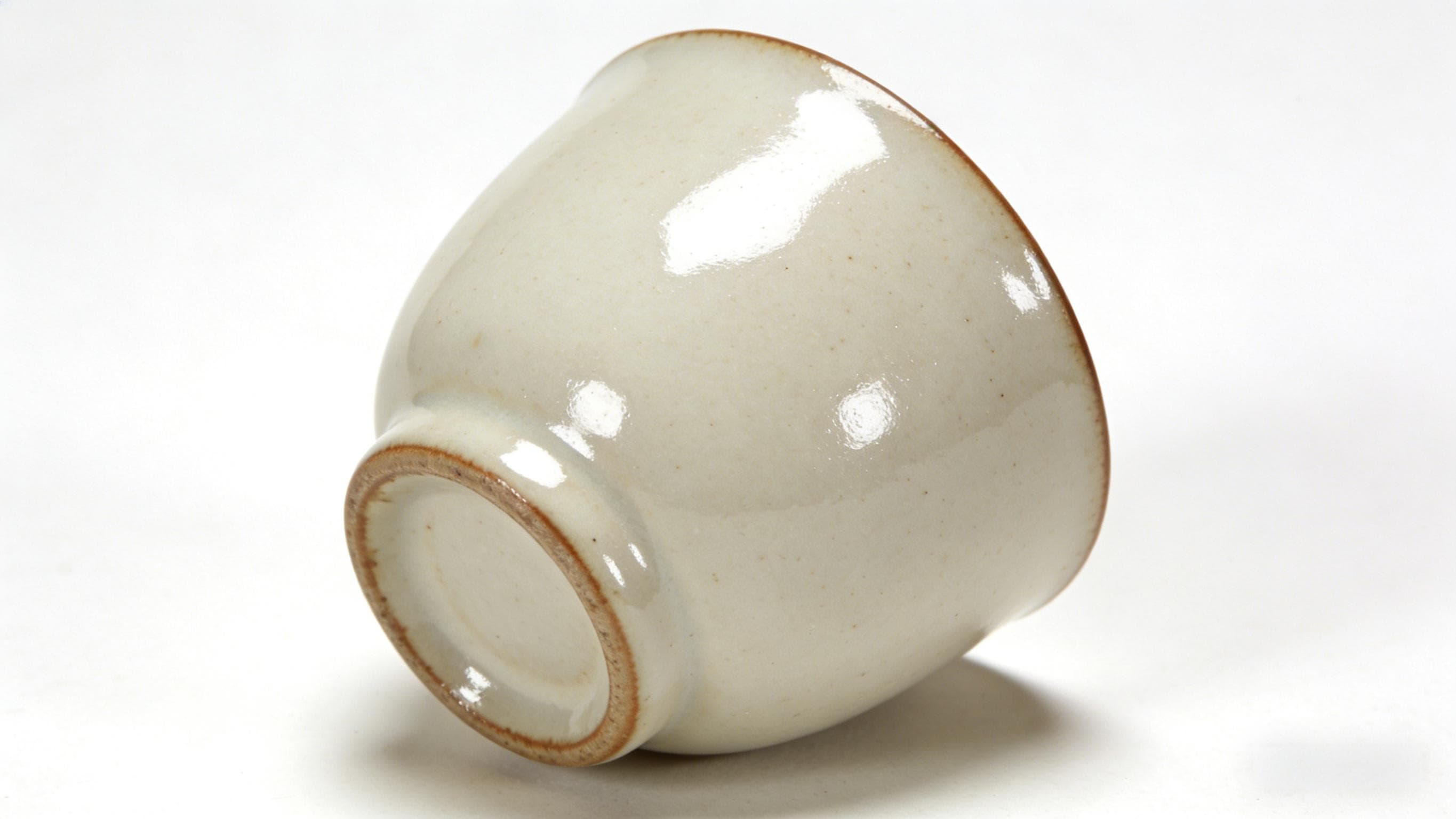
Ceramics are usually made by pressing and firing powders, but silicon chemistry offers another route: shape or coat a part with a polymer, then heat it until the polymer turns into ceramic. It also helps the conventional route, by binding and treating powders, and at the end of it, by protecting finished ceramic surfaces.
Polymer-derived ceramics
Polysilazanes contain silicon, nitrogen and carbon in the backbone. Heated in a controlled atmosphere, they lose their organic groups and convert into amorphous SiCN or, in nitrogen, silicon nitride. Because the precursor is a liquid, it can coat a surface, infiltrate a fibre preform or be moulded before it becomes ceramic. The ceramic yield — the share of the polymer that remains as ceramic — decides how much the part shrinks; vinyl-functional grades reach 80–90%. Disilazanes are also used to prepare Si–C–N and Si–B–C–N precursors.
Silica sources and binders
Tetraethyl orthosilicate and ethyl silicate 40 hydrolyse to silica. They bind refractory powders in precision-casting shells, form silica coatings by sol-gel, and are added in ceramic processing to improve bonding and surface finish.
Treating ceramic powders
Long-chain alkyl silanes make ceramic, alumina, kaolin and silicon carbide powders hydrophobic, so they disperse in resins and polymers without clumping. Silicone resins are the binders of ceramic and cookware coatings, and fluorosilane treatments make fired ceramic surfaces stain-resistant.
What to check
- Ceramic yield and shrinkage for polymer-derived parts.
- Pyrolysis atmosphere — air, nitrogen or argon — which decides the ceramic phase.
- Silica content of silicate binders, which sets how much silica the binder leaves.
For a recommendation for your formulation, a COA, an SDS or a quotation, contact our technical sales team.
Produtos relacionados
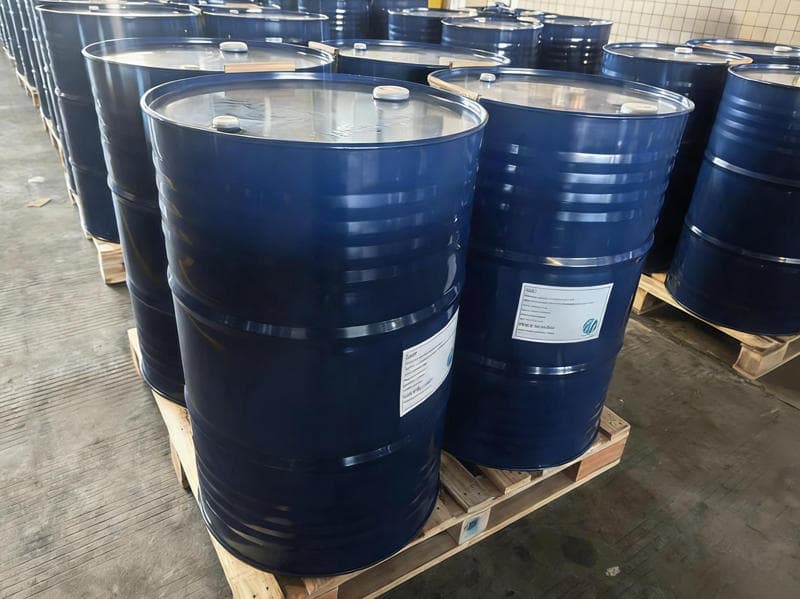
Polysilazane Resins
SF-180VP Vinyl functionalized polysilazane
CAS 503590-70-3
Solvent-free, low-viscosity liquid polysilazane resin that can be used as a coating binder and ceramic precursor.
Siloxanes & Silazanes
SF-SN42 Tetramethyldivinyldisilazane
CAS 7691-02-3
1,3-Divinyl-1,1,3,3-tetramethyldisilazane; Tetramethyldivinyldisilazane (VMN) CAS No. 7691-02-3
Silanes
SF-S028 Tetraethylsilicate, TEOS
CAS 78-10-4
Tetraethyl orthosilicate; Tetraethoxysilane; Tetraethylsilicate; TEOS CAS No. 78-10-4
Silanes
SF-S040 Ethyl Silicate-40
CAS 11099-06-2
Ethyl Silicate-40, Tetraethoxysilane-40 CAS No. 11099-06-2
Phenyl Silicone Resins
SF-074 Phenyl methyl silicone intermediate
CAS 68957-04-0
Dimethylmethoxyphenyl siloxane, phenyl methyl silicone intermediate
Silanes
SF-S181 Octadecyltrimethoxysilane
CAS 3069-42-9
Octadecyltrimethoxysilane CAS No. 3069-42-9
Silanes
SF-S031 n-Decyltrimethoxysilane
CAS 5575-48-4
n-Decyltrimethoxysilane CAS No. 5575-48-4
Others
SF-C420 Electronic Grade Coating
fluoro-Electronic-Grade-Coating